I want to assess how a fault identified by ‘The Solution’ affects energy costs, so I can better prioritize my tasks and clearly demonstrate my role in achieving energy savings.
Outcome -
Determine the impact of the fault
The impact of a fault on a facility’s energy consumption is determined by recognizing that ‘The Solution’ identifies issues often missed until much later in standard maintenance cycles. By detecting and resolving these inefficiencies early, operators can reduce energy waste and achieve measurable energy savings.
Team and Timeline Overview
Garry Kapoor
Sr. UX Manager
Ronny Scherf
Offering
Ashish Parmar
Sr. Product Owner
3 Weeks
Timeline
01 - WHAT DID WE
IDENTIFIED?
PAIN-POINTS
EXPECTATIONS
I worked closely with ‘Offering and Product Owner Team’ to understand their initial finding which later I validated with actual users.
I did conduct 4-5 interviews with customers to understand their pain-point or missing expectations.
High level customer paint paoints.
Lack of trust on the KPIs
The dashboard KPI such as total faults and comfort level were not clearly explained. how it is been determined or comfort is calculated. Customer thought it was based on industry standard such as ASHRAE, etc.
Rules flooded the system
The Faults were generated based on pre-defined set of 200 rules. Those were all enabled by default which led the system flooded with so many unwanted faults become too much to clear from the system.
What ROI based on fault?
As the system was generating so many faults which was assigned to technician to act on but facility manager has no good understanding on the return on fixing that particular fault. That itself led to ignoring the faults by default.
EXPECATION
It was very clear that the customer wants to understand if they have spend $100K then against that what Return-On-Investment they are getting back.
02 - CURRENT SYSTEM
UNDERSTANDING?
FEATURE
CONTENT
PLATFORM
Before initiating any work, I make it a priority to develop a clear mental model of the system. This helps ensure a shared understanding of the feature set and required functionality among all stakeholders.
Even when not explicitly requested, I take ownership of aligning everyone involved. Achieving consensus is essential, as I hold myself accountable for the final outcome.
See below example.
03 - WHAT SOLUTION
PROPOSED?
OUTCOME
CONTENT
METHOD
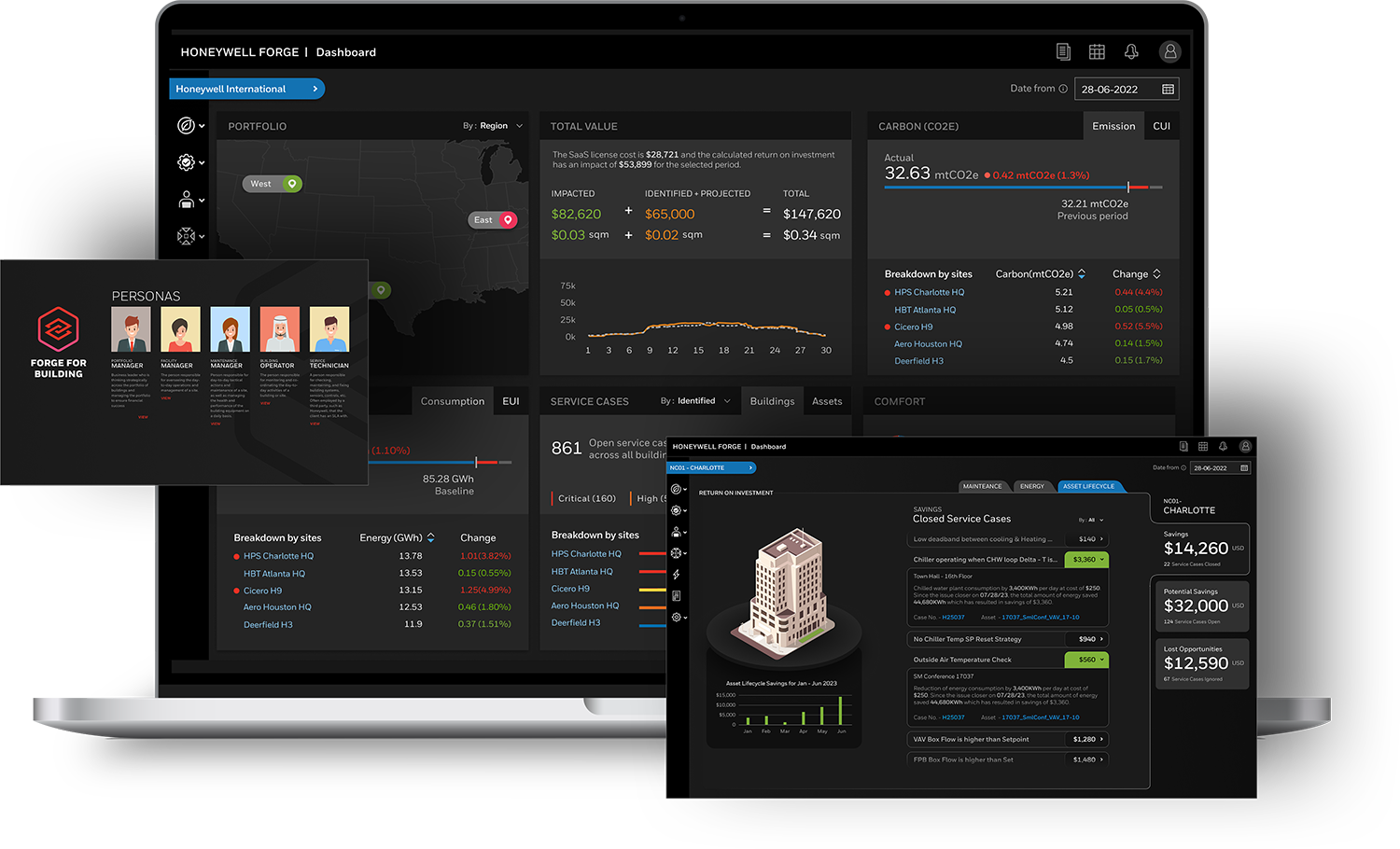
I proposed the solution where user can understand the logic behind how the cost is been calculated. We added new KPIs to clearly show the identified, lost, projected, and realized savings based on Energy, Asset Lifecycle, and Operational.