I lead UX teams that build for the full arc — not just the welcome, but every stage through to the moment a person returns, recommends, and brings someone else with them.
Senior UX Leader at Honeywell Connected Enterprise. I set UX strategy across enterprise SaaS, industrial HMI & control systems, autonomous digital twins, smart-building & sustainability platforms, AI-assisted design workflows, and enterprise design systems — and I build and lead the cross-functional teams of designers, researchers, engineers, and product partners who ship them. I'm accountable for the outcome, not just the artifact.
The shift behind that speed: my designers now build directly in code with GitHub Copilot, eliminating the Figma handoff. Stakeholders review the real, shipping product — not an inspiration mockup left for engineering to reinterpret.
Most senior candidates show the work. Few show the thinking. This is the thinking.
The WOW is never made in the moment — it's made in the air, in the practice of seeing that unarticulated desire before anyone can name it. I connect business objectives to that weight; the KPIs follow from closing the gap between what the business needs and what the person needs but cannot yet say.
Before the workshop, before any tool, I observe the person where they actually are and write the weight sentence — the one line that names what they're managing, not just what they're doing. AI can cluster fifty interviews; it never writes that sentence.
The brief is the 100K. The Leverage Brief names the 600K — what becomes possible for the person if the vision holds all the way through. My job is to make it visible before sprint one, and hold it when the room can no longer see it.
Most products are built for the welcome and forget the rest. I design every stage of the arc — through to the person who leaves, returns, and brings someone else — because the experience doesn't end when the screen closes.
Process is not a sequence of steps. It is a series of decisions made before the user arrives — and a discipline for catching the ones that drift after they do. AI accelerates every stage now — but it never writes the weight sentence or holds the vision. Observation and judgment stay human.
I begin where the user begins — not with their job title, but with what they're carrying the moment they open what we made. I go where they actually are, watch, and write one sentence: what were they carrying while they did it? Not what they did — what they were managing. That sentence becomes the acceptance criterion for everything that follows.
The brief in hand is rarely the real one. I run a Clarity Sprint — fifteen focused minutes against three questions: Who is the specific person? What moment are they in? What's the one thing that must be true if everything else fails?
The brief is the 100K — what we were asked to build. The Leverage Brief names the 600K — the larger opportunity the project controls if the vision holds all the way through. My job is to make that 600K visible before the first sprint begins — so the team builds toward it, not just at it.
I start with the Caring Question — what does this feel like if someone actually cares? Then I run the Collaboration Loop with AI: name the gap as a feeling, feed only that back, and go again — until the screen shows what I saw before I opened anything. The test is not does it work — it's does the person feel more capable holding it. The room can argue with words; it cannot argue with what it has already felt.
Drift arrives as small, reasonable decisions that compound until the product points where nobody chose. Every week I run a thirty-minute review against five checks — Edge, Vision, Loop, Arc, Exit — the half hour that prevents eighteen months of drift.
The handoff to engineering is where the work gets tested by gravity. I stay through implementation review, design QA, and the first weeks after launch — and I run the Full Arc Walk, checking every building of the journey for the one where nobody is standing, waiting for the person who leaves and might return. The ship date is a milestone. The return is the metric.

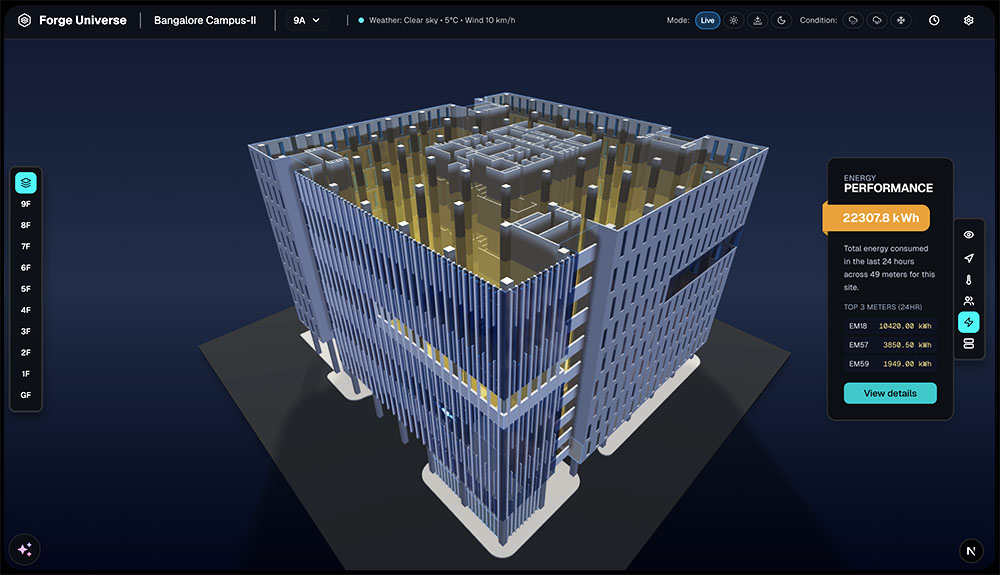
The building operator at 2am, alone with eight systems reporting, needs to know in one glance whether she can go back to sleep. The Digital Twin replaces the abstract dashboard with a spatial, living picture — natural-language questions, real-time visualization, what-if simulation. She doesn't read the building anymore. She walks through it.
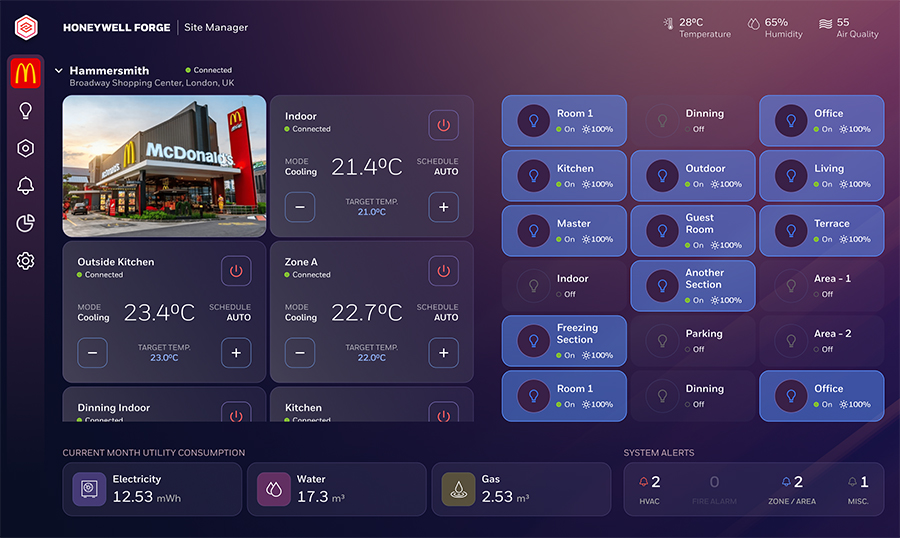
View ProjectThe site operator walks in at 6am with a list in their head — AHUs to start, RTUs to schedule, lights for the floor that opens at 7. Site Manager strips the interface to the act itself: turn it on, turn it off, configure the page to match the building you actually run.
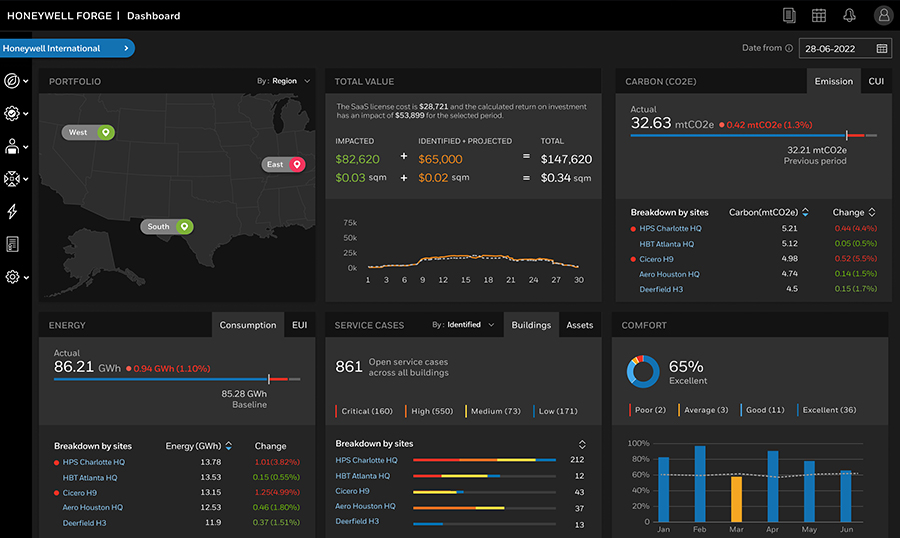
View ProjectThe executive who signed off on the $100K is going into a quarterly review where someone will ask whether it was worth it. The ROI Dashboard turns operational telemetry into a story they can carry into the room — identified, realized, lost, and projected savings, separated cleanly enough to defend each number.
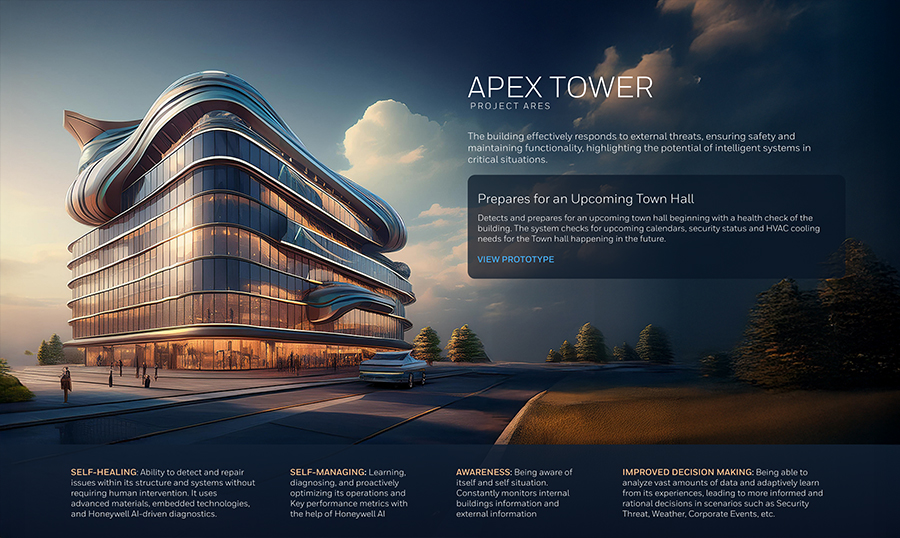
View ProjectA building used to be a thing that broke, and breaking meant a call to someone. The Sentient Building reverses that — it notices its own faults, decides which it can fix, and surfaces the rest to the right person first. Owner, operator, technician — each receives only what they can act on.
View ProjectA customer with thirty sites cannot read thirty dashboards. The portfolio view answers one question across all of them: where is value being identified, lost, realized, and projected — across Energy, Asset Lifecycle, and Operations? The morning that used to be spent assembling that picture now opens on a single screen.
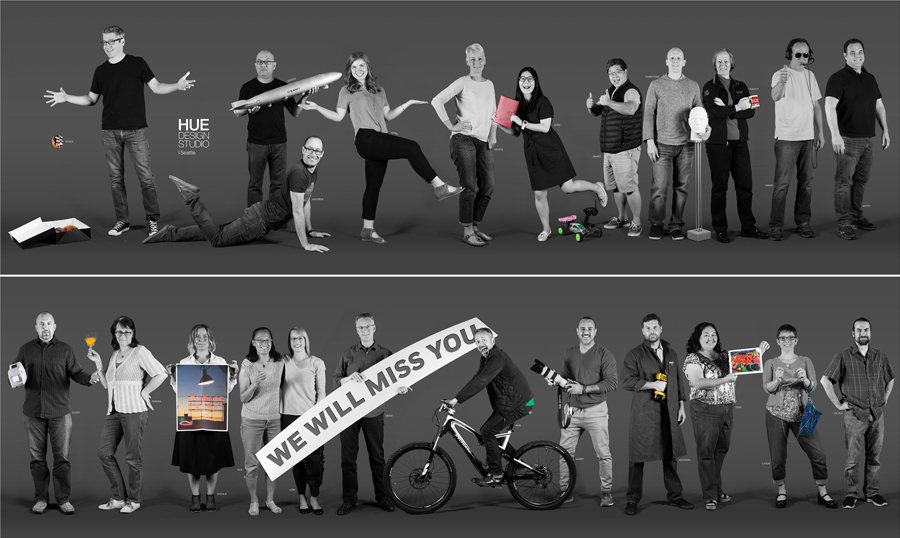
View ProjectAfter 27 years, John Bandringa was leaving — and a corporate goodbye would have missed him entirely. So we asked the team a different question: what is the moment with John you carry with you? The answers became something only the people who worked with him could have made. Not a product — a record of what they carried together.
View ProjectIn today's world
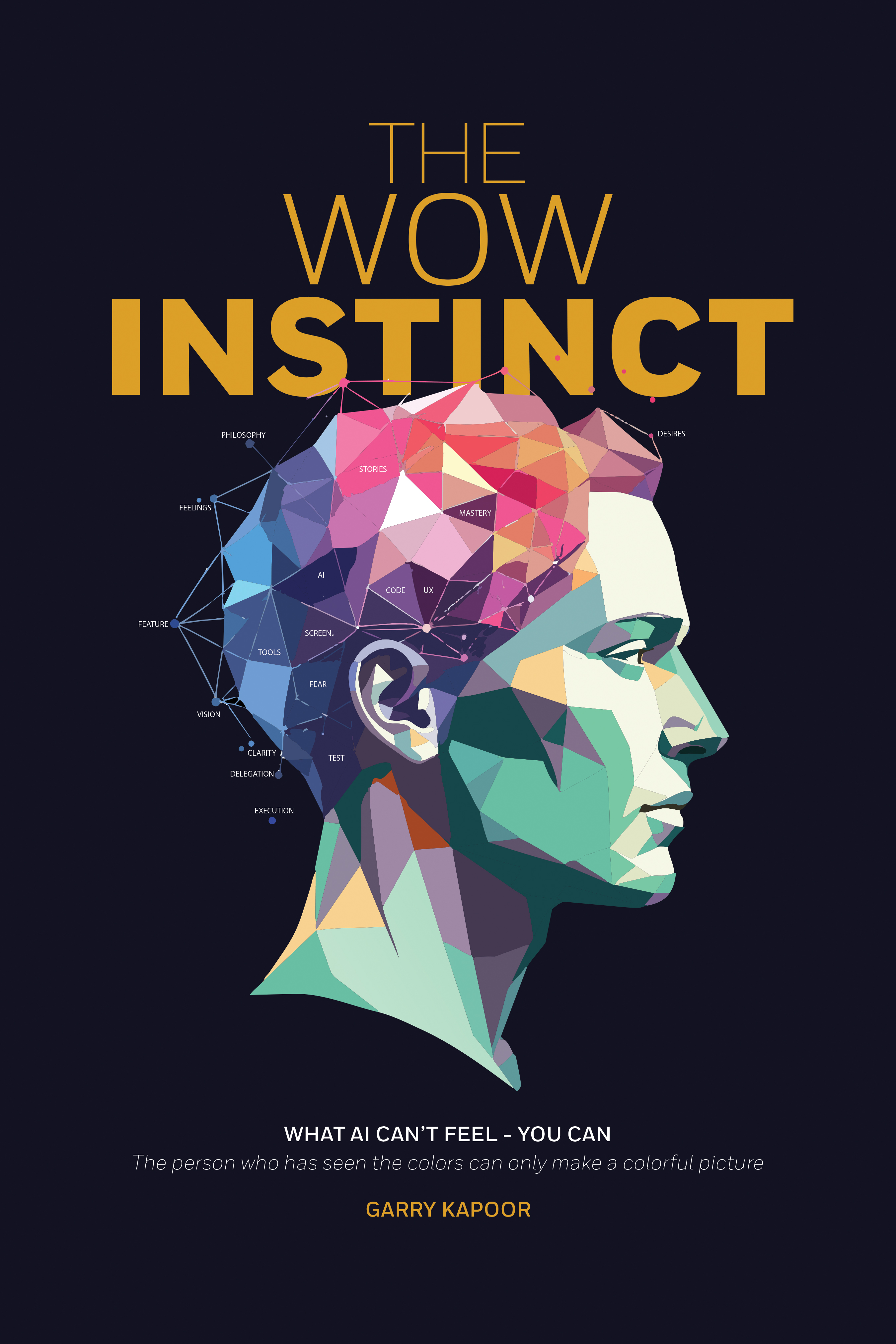
The differentiator is no longer the features on the surface. It's the unspoken weight you lift from the person behind it.
Senior UX Leader & Strategist